 Rather that spending hours researching nutrition, read this summary of the basics on how it all works.
Honor your Hunger
When was the last time you felt hungry? Some people feel hungry multiple times per day, others have completely lost their connection with this internal cue. The first step of getting healthy is tuning in to your built in survival ‘warning system’, hunger. When your stomach growls it is signaling that the cells need fuel. Some people barely eat but claim that they are “never hungry”. All bodies need energy, so a body that is repeatedly not getting the fuel it needs starts getting “out of whack”. The hunger cues are repressed for so long that they get off kilter.
Fuel Your Body
Give your body nutrients. The body is an amazing machine that can work up to 100+ years efficiently. Taking care of it by ingesting nutrient rich foods gives the body energy to grow, repair, and fuel your thoughts, and emotions. Homeostasis, our basal metabolic rate, (burning calories to maintain our body temperature and basic functions) takes up 50-80 percent of our energy on a daily basis. Just to stay alive the human body burns an average of 1200-1500 calories per day. Our heart beats, lungs breathe, stomach and intestines digest, cells repair, synapses in our brain fire, our temperature regulates. These are functions that we totally take for granted and they take up energy. Even while you are sleeping you are burning energy. Fueling the body is an all day and all night thing. A healthy breakfast is an important first step, but a nutritious snack a couple hours later is crucial as well. Don’t think that one meal will give 12 hours of daytime energy.
Know the Six Nutrients Essential to Survival (Carbohydrates, Protein, Fat, Vitamins, Minerals, and Water). Just because you are eating, doesn’t mean you are energizing your body. Understand which foods give you the biggest boost.
Macronutrients- Carbohydrates, Protein and Fat: Calories=Energy
Macronutrients come with energy rankings: carbohydrates (4), protein (4) and fat (9). Whole foods have nutrient rich calories whereas processed food have empty calories. In other words, you could eat a day’s worth of calories without getting any of the nutrients your body needs. When looking at a diet as a whole, complex carbs should make up 45-65%. Protein %-% and Fat %-%.
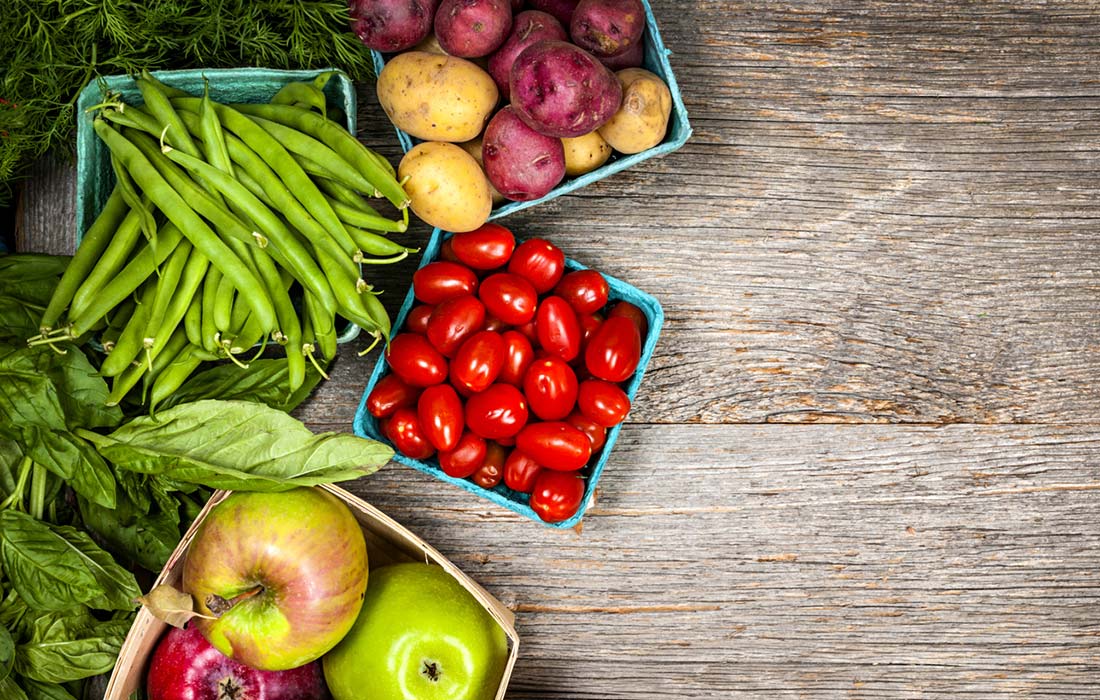
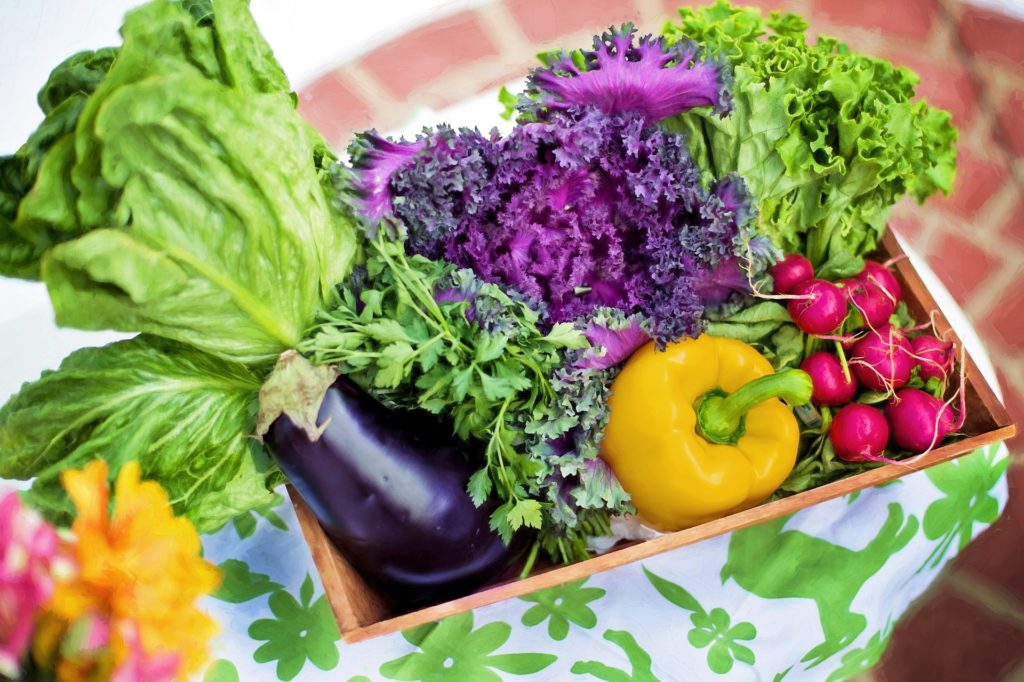
Micronutrients- Vitamins and Minerals: Fresh Fruits and Vegetables are essential. Everyone knows this but it doesn’t mean that everyone follows it. A diet full of colorful plants supplies most people with the micronutrients they need. In other words, unless you are pregnant, postpartum, nursing, or have a vitamin deficiency, it is possible to get all of the nutrients you need without taking pills or capsules each morning.
Water- H2O has zero calories, but it is essential to survival. The water itself does not give you fuel, but the chemical reactions in which it aides creates the energy to keep you alive. By transporting nutrients, cooling your internal system, and regulating your body temperature, it’s no wonder why water is vital.
Understand Sugar (Glucose, Fructose, Sucrose). We hear people say thing like, “I don’t eat sugar.” or “I am avoiding sugar because it is bad.” What people are referring to in these types of statements is “simple sugar” or sucrose. It is helpful to understand more about how our cells are powered.
Glucose is present in all foods. All organisms use it as a source of fuel. Our bodies turn complex carbohydrates into glucose and that is what we use for energy. As glucose (sugar) enters the bloodstream, the pancreas secretes the hormone insulin to transport it to the cells.
Fructose, sugar from fruit, is healthy when you consume the fruit in its original form (including the peel when possible.) The whole fruit offers vitamins, minerals and fiber. Fiber slows down digestion and insures your system is not overloaded with sugar. This way the pancreas is not sent into overdrive secreting high levels of insulin.
Sucrose, is what most people think of when they hear the word sugar. This combo of glucose and fructose is the white table sugar that is added to tea, coffee, and desserts. It is made from a multi-step process using the sweet juice extracted from sugar cane. Sucrose is the sugar that makes your pancreas work extra hard and adds calories void of nutrients to your diet.
In summary, the first step of nutrition is awareness. It’s simple.
-Pay attention to your hunger.
-See food as fuel.
-Be cognizant of the six essential nutrients.
-Limit Sucrose.
References
Diaz, C., Bark, S. (2014) The body book: The law of hunger, the science of strength, and other ways to love your amazing body. New York, NY: HarperCollins Publishers.
Shenker, M. (2017, August 14) Calories to maintain human body temperature https://www.livestrong.com/article/538674-calories-to-maintain-human-body-temperature/ (Retrieved March 5, 2018)